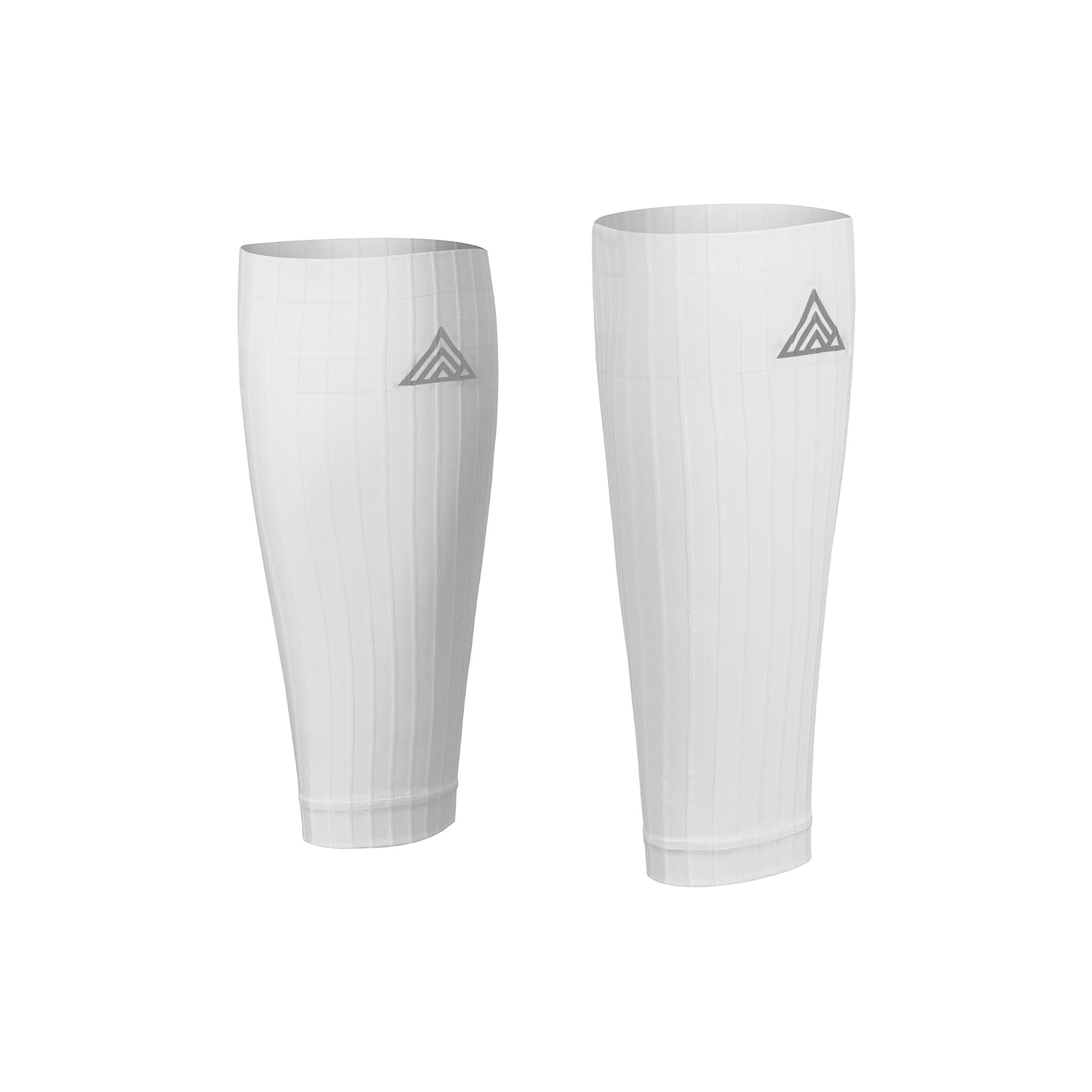
When the weather turns unpredictable, cyclists need gear that maintains performance while shielding vulnerable parts of the body. Feet, often overlooked, are especially exposed to rain, wind, and cold, which can reduce comfort and even affect pedaling efficiency. Aero overshoes, designed to streamline the shoe-to-pedal interface, offer a sleek solution, but they must also provide reliable weather protection. This article explores how to select and use weather-ready aero overshoes, the benefits they bring to every ride, and practical tips for keeping feet dry, warm, and ready for any condition.
Why Weather-Ready Aero Overshoes Matter
Traditional cycling overshoes focus primarily on aerodynamics and reducing drag. While that is essential for speed, real-world conditions demand additional features:
- Water resistance: Prevents moisture from seeping into the shoe, which can lead to cold feet and reduced grip.
- Wind protection: Blocks chilling gusts that can sap energy and cause discomfort.
- Thermal insulation: Retains body heat without adding bulk, essential for early-morning or high-altitude rides.
- Durability: Materials that withstand repeated exposure to rain, snow, and road grime.
Choosing overshoes that balance these factors ensures that the aerodynamic advantage is not lost to weather-related setbacks.
Key Features of High-Performance Weather-Ready Overshoes
Material Technology
Modern overshoes employ a combination of waterproof membranes, breathable fabrics, and reinforced seams. Look for:
- Three-layer construction with a waterproof inner liner (e.g., TPU or Gore-Tex??) and a breathable outer shell.
- Silicone-coated grippers on the interior to keep the shoe securely in place.
- UV-resistant coatings that prevent material degradation after prolonged sun exposure.
Fit and Compatibility
Aero overshoes must fit snugly over cycling shoes without interfering with cleat engagement. Consider these points:
- Elastic cuffs or adjustable Velcro straps that accommodate different shoe widths.
- Low-profile design that preserves the shoe’s aerodynamic shape.
- Compatibility with popular pedal systems (SPD, Look, Shimano SPD-S).
Ease of Use
Quick on-and-off capability is crucial, especially when weather conditions change mid-ride. Features to prioritize include:
- Pull-tab closures that allow rapid removal without bending over.
- Seamless interior finishes that prevent friction against the foot.
- Lightweight construction that adds minimal weight to the overall setup.
How to Choose the Right Pair for Your Needs
Assessing personal riding habits and typical climate conditions guides the selection process. Follow these steps to make an informed decision:
- Identify the primary weather challenge: Rain, cold, wind, or a combination.
- Match material properties to the challenge: Waterproof membranes for rain, insulated linings for cold.
- Test the fit: Try the overshoes with your regular cycling shoes; ensure there is no interference with cleats.
- Read user feedback: Look for reviews that mention durability and performance in real-world conditions.
For a curated selection that meets these criteria, Discover expert strategies here and explore options that balance aerodynamics with weather protection.
Maintenance Tips to Extend Longevity
Proper care preserves both the aerodynamic shape and the waterproof integrity of overshoes. Adopt the following routine:
- Cleaning: Rinse with lukewarm water after each ride; avoid harsh detergents that can degrade waterproof membranes.
- Drying: Air-dry at room temperature; never place directly on a heater, which can warp the material.
- Re-application of sealant: Some models benefit from periodic silicone spray to maintain water repellency.
- Storage: Store in a breathable bag to prevent mold growth during extended periods of inactivity.
Implementing these practices ensures that the overshoes remain effective season after season. For deeper guidance on upkeep, Explore advanced guides and tips.
Real-World Scenarios: When Weather-Ready Overshoes Shine
Urban Commutes in Spring Showers
City cyclists often face sudden downpours. Waterproof overshoes keep feet dry, reducing the risk of slipping on wet pedals and maintaining comfort throughout the ride.
Long Alpine Climbs in Early Autumn
High-altitude routes bring cold winds and occasional snow. Insulated, wind-blocking overshoes preserve foot temperature, allowing sustained power output without the distraction of cold feet.
Weekend Group Rides with Variable Conditions
When a group ride traverses multiple microclimates, coastal fog, inland rain, and sunny plains, versatile overshoes adapt to each segment, ensuring consistent performance.
These examples illustrate how a well-chosen pair can transform challenging weather into a manageable factor rather than a limiting one.
Integrating Overshoes into Your Cycling Wardrobe
Beyond functionality, overshoes should complement the overall kit. Consider color coordination with jerseys and jackets, and choose designs that reflect a professional aesthetic. While performance remains paramount, a cohesive look enhances confidence on the road.
For a range that balances style, aerodynamics, and weather protection, Learn about our tailored solutions and select the model that aligns with both visual and technical preferences.
Final Thoughts
Investing in weather-ready aero overshoes is a strategic move for any cyclist seeking to maintain speed, comfort, and safety across diverse conditions. By focusing on material technology, fit, and maintenance, riders can ensure that their feet remain protected without sacrificing aerodynamic efficiency. Incorporate the guidelines outlined above, explore the curated selection available online, and experience the confidence that comes from knowing every element of the riding system is optimized for performance, rain or shine.
Ready to upgrade the foot portion of your aerodynamic setup? Find out more about this approach and take the next step toward weather-proof cycling excellence.