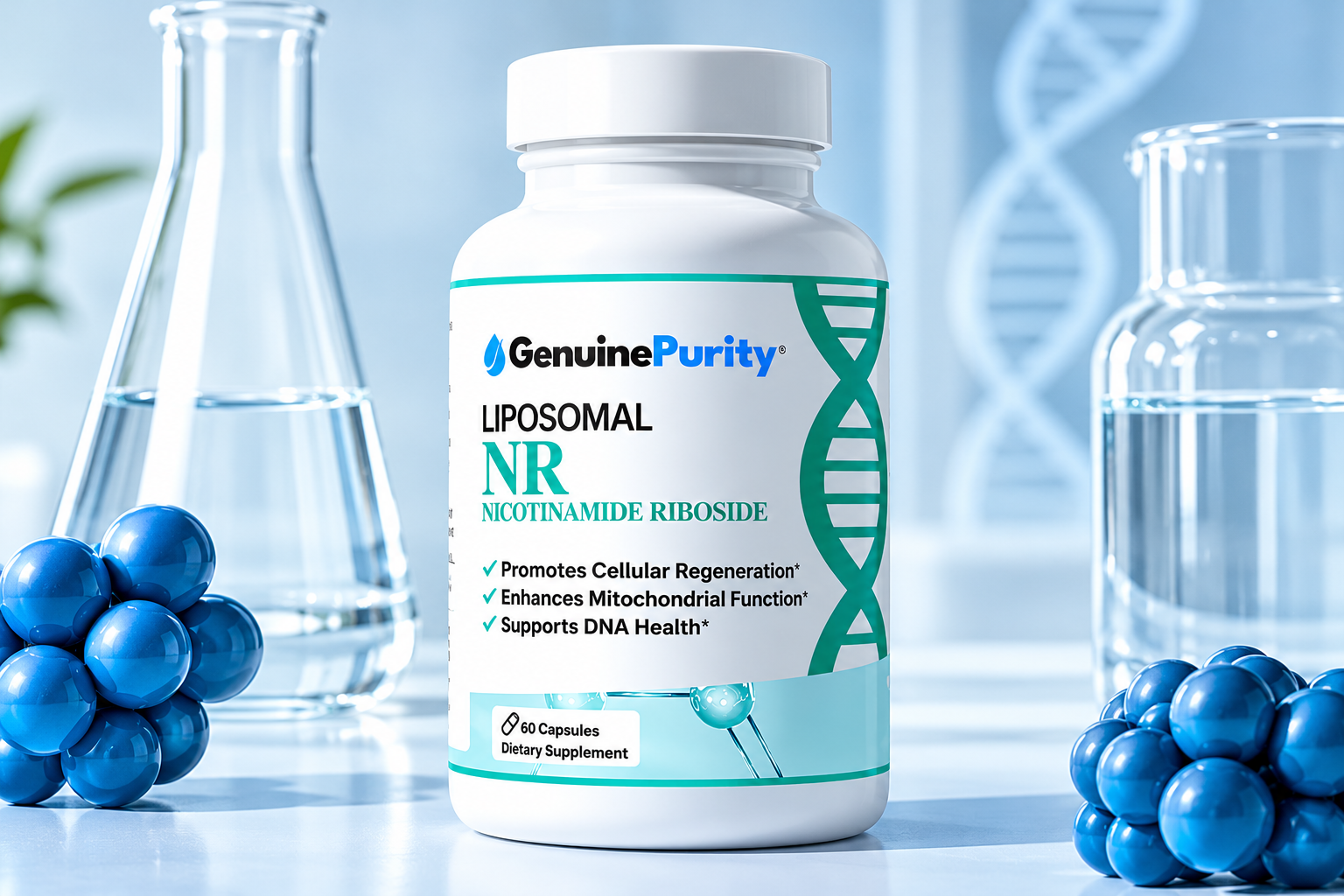
Cellular energy production and DNA repair depend heavily on nicotinamide adenine dinucleotide (NAD+), a co-enzyme that declines naturally with age, stress, and poor lifestyle choices. Lower NAD+ levels are linked to reduced mitochondrial function, diminished metabolic flexibility, and accelerated signs of aging. For those seeking to support vitality, cognition, and overall wellness, selecting an effective NAD+ booster has become a priority. This guide examines the science behind NAD+ supplementation, compares the most reputable NAD+ booster formats, and outlines practical criteria for choosing the product that aligns with individual health goals.
Understanding NAD+ and Its Role in the Body
NAD+ serves three primary functions:
- Energy metabolism: It shuttles electrons during glycolysis, the Krebs cycle, and oxidative phosphorylation, enabling ATP generation.
- DNA repair: Enzymes such as PARPs use NAD+ to locate and fix damaged DNA strands.
- Regulation of longevity pathways: Sirtuins, a family of NAD+-dependent deacetylases, modulate inflammation, stress resistance, and circadian rhythms.
Because the body cannot store NAD+, it must be continuously synthesized from precursor molecules. The most common precursors include nicotinamide riboside (NR), nicotinamide mononucleotide (NMN), and nicotinic acid (niacin). Each precursor follows a slightly different metabolic route, influencing bioavailability, efficacy, and tolerability.
Key NAD+ Booster Formats
1. Nicotinamide Riboside (NR) Supplements
NR is a form of vitamin B3 that converts to NAD+ via the NR kinase pathway. Clinical trials have demonstrated that daily NR dosing (250-300″?mg) can raise blood NAD+ levels by 30-60″?percent within weeks.
- Pros: High oral bioavailability, well-tolerated, extensive safety data.
- Cons: Slightly higher cost per milligram of NAD+ boost compared with NMN.
For a curated selection of NR products, Discover expert strategies here.
2. Nicotinamide Mononucleotide (NMN) Supplements
NMN sits one step closer to NAD+ in the biosynthetic pathway, bypassing the need for the NR kinase conversion. Recent animal studies suggest NMN may improve vascular health and insulin sensitivity.
- Pros: Direct precursor, rapid increase in intracellular NAD+.
- Cons: Oral stability concerns; some formulations require sublingual or liposomal delivery for optimal absorption.
To explore NMN options with proven purity, Learn about our tailored solutions.
3. Niacin (Nicotinic Acid) & Nicotinamide
Traditional forms of vitamin B3 can also raise NAD+ but often cause flushing (niacin) or may inhibit sirtuin activity (nicotinamide) at high doses. They remain useful for individuals seeking a budget-friendly approach.
- Pros: Inexpensive, widely available.
- Cons: Flushing side effects, less efficient NAD+ conversion, potential sirtuin inhibition.
For a balanced overview of niacin-based boosters, Explore advanced guides and tips.
Criteria for Selecting the Right NAD+ Booster
When evaluating products, consider the following factors to ensure safety, efficacy, and value.
- Purity & Testing: Look for third-party lab reports (e.g., NSF, USP) confirming the absence of contaminants and accurate ingredient dosing.
- Formulation Technology: Liposomal encapsulation, sublingual tablets, or powder blends can enhance absorption, especially for NMN.
- Dosage Transparency: Reliable brands disclose the exact amount of NR or NMN per serving and provide clear usage guidelines.
- Stability: NAD+ precursors are sensitive to heat and moisture; packaging should protect against degradation.
- Customer Feedback: Consistent positive reviews regarding energy, focus, and recovery can indicate real-world effectiveness.
For a comprehensive checklist, Find out more about this approach.
Integrating NAD+ Boosters Into a Holistic Wellness Plan
Supplementation works best when paired with lifestyle habits that naturally support NAD+ metabolism.
Nutrition
- Consume foods rich in tryptophan (turkey, tofu) and niacin (fish, legumes) to supply the body’s own NAD+ precursors.
- Limit excessive alcohol and processed sugars, which can deplete NAD+ stores.
Exercise
High-intensity interval training (HIIT) and resistance workouts stimulate sirtuin activity, amplifying the benefits of supplemental NAD+.
Sleep & Stress Management
- Prioritize 7-9 hours of quality sleep to allow DNA repair processes that rely on NAD+.
- Practice mindfulness or yoga to reduce cortisol spikes that accelerate NAD+ consumption.
Potential Side Effects and Safety Considerations
Most NAD+ boosters are well tolerated, but awareness of possible reactions helps users make informed decisions.
- GI discomfort: High doses of NR or NMN may cause mild nausea; start with a lower dose and increase gradually.
- Flushing: Common with niacin; consider sustained-release formulations or alternative precursors.
- Medication interactions: Individuals on anticoagulants or blood pressure meds should consult a healthcare professional before beginning supplementation.
Final Thoughts
Choosing the best NAD+ booster involves balancing scientific evidence, product quality, and personal health objectives. Nicotinamide riboside offers a well-documented, user-friendly option, while nicotinamide mononucleotide provides a more direct route to cellular NAD+ with emerging support. Traditional niacin remains a cost-effective alternative for those comfortable with its side-effect profile. By applying the selection criteria outlined above and integrating supplementation with supportive nutrition, exercise, and sleep habits, individuals can effectively counteract age-related NAD+ decline and promote lasting vitality.