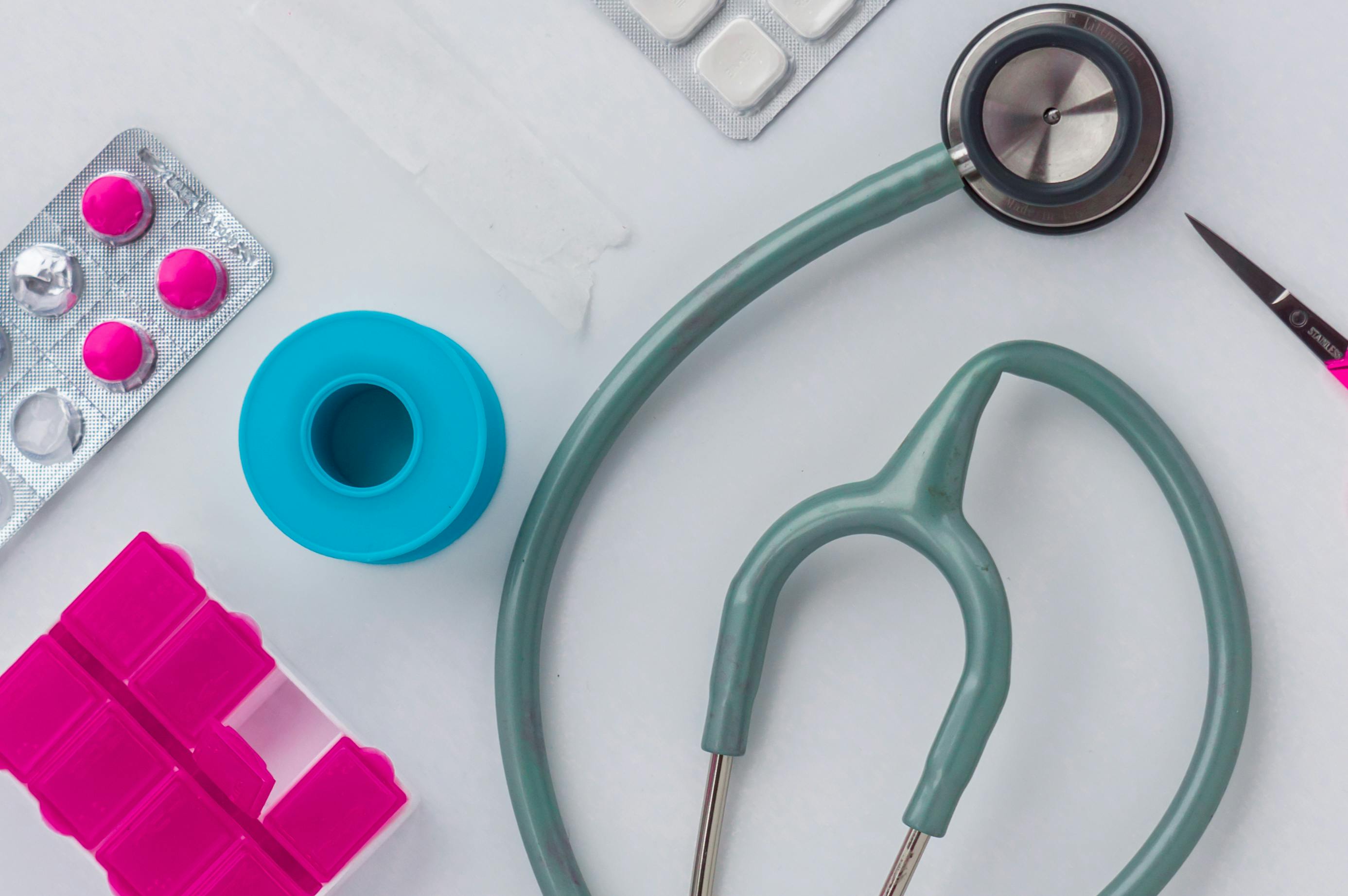
In the ever-evolving field of medicine, doctors rely heavily on a variety of medical tools and equipment to diagnose, treat, and care for patients effectively. These tools are indispensable in ensuring precise medical care and improving patient outcomes. Whether in a hospital setting, a private clinic, or during emergency care, the right medical tools and equipment can make a significant difference in the quality of healthcare provided. This article explores some of the essential equipment that forms the backbone of modern medical practice.
Diagnostic Tools
Accurate diagnosis is the cornerstone of effective treatment. Doctors use a range of diagnostic tools to assess patient conditions and determine the appropriate course of action.
- Stethoscope: A fundamental tool for listening to the internal sounds of a patient’s body, particularly the heart and lungs.
- Otoscope: Used for examining the ears, an otoscope provides a clear view of the ear canal and eardrum.
- Sphygmomanometer: Essential for measuring blood pressure, this device helps in monitoring cardiovascular health.
- Thermometer: Available in various forms, thermometers are crucial for measuring body temperature and detecting fevers.
- Pulse Oximeter: A non-invasive device that measures the oxygen saturation level in the blood, providing vital information about respiratory health.
Treatment and Surgical Tools
Once a diagnosis is made, doctors require specific medical surgical instruments to perform treatments and surgeries. These instruments must be precise and reliable to ensure patient safety and successful outcomes.
- Scalpel: A small, sharp blade used for making incisions during surgery or other medical procedures.
- Forceps: These are used to grasp, hold, or manipulate tissues and objects during surgical procedures.
- Sutures and Needle Holders: Critical for closing wounds and ensuring proper healing post-surgery.
- Anesthesia Equipment: Includes tools like masks, ventilators, and monitoring devices to safely administer anesthesia.
Monitoring and Support Equipment
Continuous monitoring and support are crucial in managing critical patients. Healthcare equipments play a pivotal role in ensuring ongoing patient care.
- Electrocardiogram (ECG) Machine: Monitors the electrical activity of the heart, providing vital information about heart health.
- Infusion Pumps: Deliver fluids, medication, or nutrients directly into a patient’s circulatory system.
- Defibrillator: A life-saving device used to restore a normal heartbeat by sending an electric pulse or shock to the heart.
- Ventilator: Provides mechanical ventilation to patients who are unable to breathe adequately on their own.
Conclusion
In conclusion, the selection of the right medical equipment for doctors is critical for delivering quality healthcare. These tools not only facilitate accurate diagnosis and effective treatment but also enhance the overall efficiency of healthcare delivery. As technology continues to advance, these tools are likely to evolve, further improving the capabilities of medical professionals and the care they provide to patients.