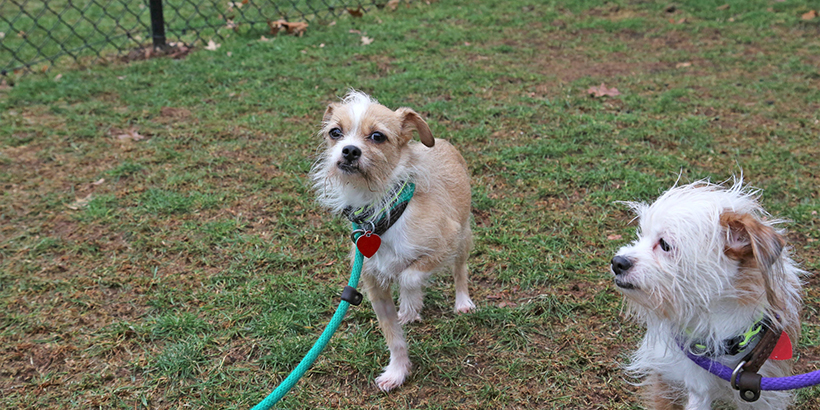
Running a small dog play group can be a rewarding endeavor for dog lovers and pet care professionals. It provides an opportunity for socialization, exercise, and fun for small dogs while promoting a sense of community among pet owners. However, to ensure the safety and enjoyment of all participants, it’s essential to adhere to best practices. This guide outlines important considerations and strategies for successfully managing a small dog play group.
Understanding the Dynamics of Small Dog Play Groups
Before starting a small dog play group, it is crucial to understand the dynamics involved. Small dogs have different play styles and needs compared to larger dogs, and these must be taken into account to create a harmonious environment.
- Size and Energy Levels: Ensure that all dogs in the group are relatively similar in size and energy levels to prevent intimidation and rough play.
- Personality Matching: Consider the individual personalities of the dogs. Some may be more reserved while others are highly energetic. Group dogs that exhibit complementary behaviors.
- Temperament Assessment: Conduct a temperament assessment for each dog before allowing them to join the group. This helps in identifying any potential behavioral issues.
The Importance of Safe and Secure Play Areas
To maintain a safe environment, selecting an appropriate play area is essential. Consider the following factors:
- Fencing: The play area should be securely fenced to prevent dogs from escaping and ensure they remain within a designated safe zone.
- Space Requirements: Provide ample space for dogs to run and play without overcrowding. This helps in reducing tension and promoting healthy interactions.
- Cleanliness: Regularly clean and maintain the play area to prevent the spread of diseases and parasites.
Supervision and Safety Protocols
Effective supervision and safety protocols are paramount in a small dog play group. Here?s how to implement them:
- Active Monitoring: Always have a responsible adult present to supervise the dogs, intervene in case of any conflicts, and ensure safe play.
- Emergency Preparedness: Have a first aid kit on hand and a plan for dealing with emergencies, such as injuries or sudden illness.
- Behavioral Guidelines: Establish clear rules and guidelines for owners and their dogs. This includes expectations for behavior and how to handle aggressive or disruptive dogs.
Encouraging Positive Social Interactions
Facilitating positive social interactions among dogs enhances their play experience and social skills. Consider these strategies:
- Structured Play Sessions: Plan structured play sessions that include a mix of free play and guided activities to encourage interaction.
- Positive Reinforcement: Use positive reinforcement techniques to reward good behavior and encourage friendly interactions among the dogs.
- Owner Involvement: Encourage dog owners to participate in activities, fostering a sense of community and shared responsibility.
Communication with Dog Owners
Maintaining open lines of communication with dog owners is vital for the smooth operation of a small dog play group. Consider the following recommendations:
- Regular Updates: Provide regular updates on group activities, upcoming events, and any changes in guidelines.
- Feedback Mechanism: Create a system for owners to provide feedback and suggestions, ensuring their concerns are heard and addressed.
- Educational Resources: Offer resources and information on dog behavior, training tips, and health advice to support owners in caring for their pets.
By adhering to these best practices, a small dog play group can become a thriving hub of activity that benefits both dogs and their owners. A focus on safety, structured play, and open communication ensures that these gatherings are enjoyable and enriching for all involved.