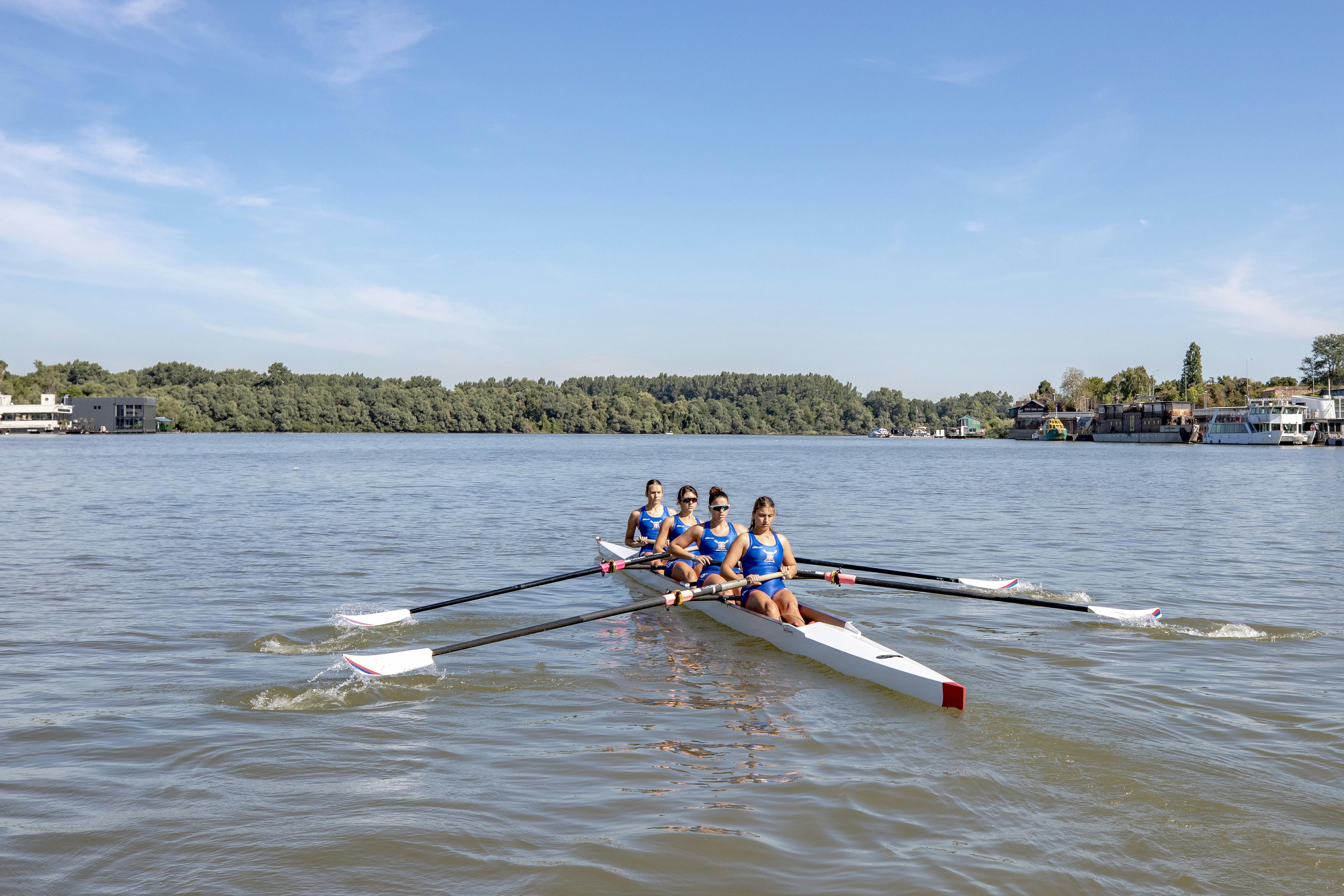
Rowing, whether for competition or fitness, is a dynamic and rewarding sport that demands dedication, technique, and the right training program. As enthusiasts and athletes seek to improve their skills and performance, the importance of a structured and effective training plan cannot be understated. Selecting the best rowing training program involves understanding individual goals, fitness levels, and the specific demands of the sport. By exploring expert resources, one can find programs tailored to meet diverse needs and enhance rowing capabilities.
Understanding Your Rowing Goals
Before diving into any training regimen, it’s essential to identify what you aim to achieve with your rowing practice. Goals can vary significantly, and they often include:
- Improving cardiovascular endurance and overall fitness.
- Enhancing rowing technique for competitive advantage.
- Increasing strength and power output.
- Reducing the risk of injury through proper form and conditioning.
Having clear objectives will guide the selection of a training program that aligns with your aspirations. To explore advanced guides and tips on setting and achieving your rowing goals, find out more about this approach.
Choosing the Right Training Program
With numerous programs available, selecting the right one can be daunting. Key considerations should include:
- Expertise of Trainers: Programs led by seasoned coaches who understand the nuances of rowing can provide invaluable insights and guidance.
- Customization: Effective programs often offer personalized plans that cater to individual strengths and areas for improvement.
- Progressive Structure: A well-structured program should gradually increase in intensity and complexity to match the athlete’s development.
- Feedback Mechanisms: Opportunities for feedback and adjustments are crucial for continuous improvement.
Discover expert strategies here to help select the most suitable program for your needs.
The Role of Technology in Modern Rowing Training
Technology has become an integral part of modern rowing training. Tools such as rowing machines with performance tracking, apps for monitoring progress, and virtual coaching sessions can significantly enhance training outcomes. These technologies provide:
- Real-time feedback on technique and performance metrics.
- Data-driven insights for personalized training adjustments.
- Virtual communities for motivation and support.
Learn about our tailored solutions to incorporate technology effectively into your rowing routine by exploring this resource.
Balancing Training with Recovery
An often-overlooked aspect of training is recovery. Effective recovery strategies are crucial for maintaining performance and preventing injuries. Consider the following:
- Rest Days: Incorporate regular rest days to allow muscles to repair and grow.
- Nutrition and Hydration: Maintain a balanced diet and adequate hydration to support recovery.
- Stretching and Mobility Exercises: Implement exercises that enhance flexibility and reduce muscle stiffness.
For more insights on balancing training with recovery, explore these advanced guides and tips.
Conclusion
Whether a novice rower or an experienced athlete, finding the right training program is pivotal for success in rowing. By understanding personal goals, choosing a program with the right elements, leveraging technology, and prioritizing recovery, athletes can unlock their full potential. For those seeking comprehensive programs that cater to diverse rowing needs, learn more about tailored solutions available.