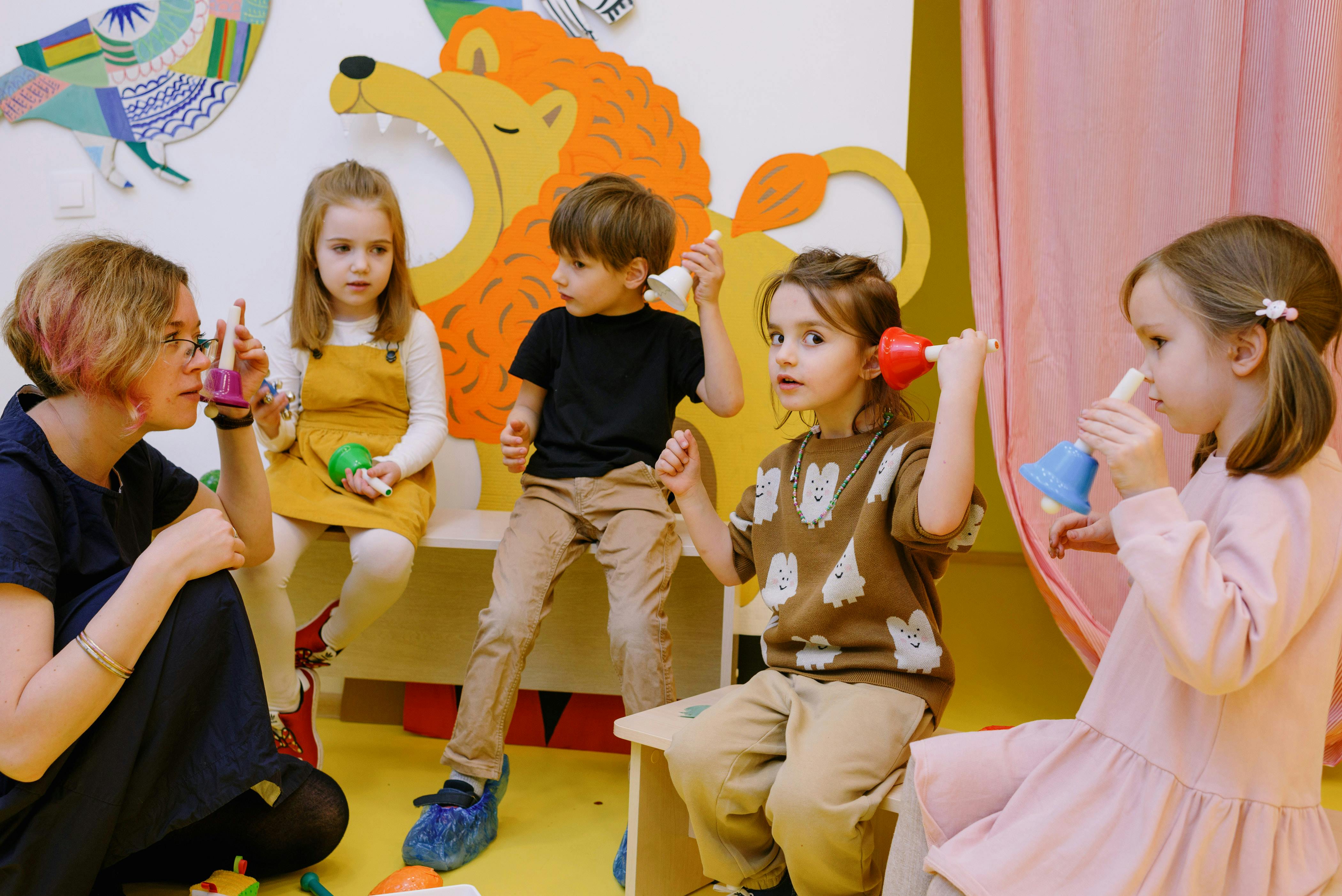
Enrolling a child in preschool marks a significant milestone in their early development journey. However, before a child can embark on this educational path, there are essential medical requirements that must be fulfilled to ensure their health and safety, as well as that of their peers. Understanding these requirements and preparing the necessary documentation is crucial for a smooth enrollment process.
Understanding Medical Requirements
The medical requirements for preschool enrollment are designed to protect children from preventable diseases and to promote a healthy learning environment. These requirements vary by region and institution, but generally include the following:
Immunizations
Immunizations are a fundamental component of preschool enrollment. They help prevent the spread of contagious diseases and are typically required by state and local regulations. Common vaccines that children need before enrolling in preschool include:
- Measles, Mumps, and Rubella (MMR)
- Varicella (Chickenpox)
- Diphtheria, Tetanus, and Pertussis (DTaP)
- Polio (IPV)
- Hepatitis B
- Hib (Haemophilus influenzae type b)
For a comprehensive list and details on immunization requirements, explore advanced guides and tips.
Health Screenings
In addition to vaccinations, many preschools require health screenings to assess a child’s overall well-being. These screenings often include:
- Vision and hearing tests
- Developmental assessments
- Screening for contagious illnesses
These evaluations ensure that children are ready to engage in preschool activities and that any health issues are addressed promptly. Find out more about this approach to ensure your child meets these prerequisites.
Gathering Necessary Documentation
Collecting the appropriate documentation is a pivotal step in meeting medical requirements for preschool enrollment. This typically includes:
Immunization Records
Parents must provide up-to-date immunization records, which can be obtained from their child’s pediatrician. These records should detail the vaccinations received and the dates administered.
Medical and Health Records
Beyond immunization records, preschools often require additional medical documentation, such as:
- Health and physical examination forms
- Allergy information and action plans
- Chronic health condition management plans
Ensuring all documentation is complete and accurate is essential. Discover expert strategies here to facilitate this process.
Importance of Compliance
Compliance with medical requirements is non-negotiable for preschool enrollment, primarily because it:
- Ensures the health and safety of all children
- Prevents the outbreak of communicable diseases
- Promotes a safe and conducive learning environment
By adhering to these requirements, parents contribute to a collaborative effort in safeguarding the community. Learn about our tailored solutions for fulfilling these obligations effectively.
Conclusion
Navigating the medical requirements for preschool enrollment can seem daunting, but with proper preparation and understanding, it becomes manageable. Ensuring that a child meets these requirements not only facilitates their entry into preschool but also contributes to their overall well-being and the safety of their peers. Parents are encouraged to stay informed and proactive in gathering and maintaining the necessary health documentation. For further guidance and resources, explore advanced guides and tips available online.