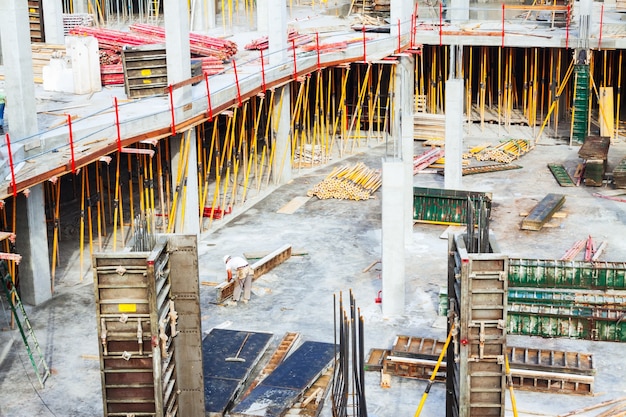
The stability and safety of any structure are fundamentally dependent on the integrity of its foundation. Over time, various factors such as soil movement, water erosion, or natural disasters can compromise a foundation, necessitating underpinning to restore its strength. This process involves extending the foundation’s depth or breadth so it rests on more stable soil or distributes the load more effectively. With numerous underpinning methods available, understanding the most appropriate strategy for a specific situation is crucial. This article delves into some of the most effective underpinning techniques, offering insights into their applications and benefits.
Traditional Mass Concrete Underpinning
One of the most time-honored methods in the world of underpinning, mass concrete underpinning, involves the excavation of segments below the existing foundation. Concrete is then poured into these segments to create a new foundation beneath the old one. This method is particularly effective for:
- Structures with shallow foundations.
- Buildings affected by minor subsidence.
- Projects where access is limited or restricted.
While this is a reliable underpinning method, it can be labor-intensive and time-consuming, making it less suitable for projects requiring quick solutions. Learn more about traditional underpinning approaches and other strategies here.
Mini-Piled Underpinning
For projects requiring a deeper foundation due to poor soil conditions or high water tables, mini-piled underpinning is an optimal choice. This method uses small diameter piles to transfer the load of the building to deeper, more stable strata. The benefits include:
- Suitability for limited access sites.
- Adaptability to various soil conditions.
- Minimal disruption to the existing structure.
Mini-piled underpinning is particularly beneficial in urban environments where space is a constraint. Explore advanced guides and tips for using mini-piled underpinning effectively.
Resin Injection Method
A modern and innovative technique, the resin injection method involves injecting a specially formulated resin into the ground beneath the foundation. Once injected, the resin expands to fill voids and stabilize the soil. This method is ideal for:
- Quick stabilization needs.
- Non-invasive underpinning requirements.
- Projects where structural movement is minimal.
The resin injection method offers minimal disruption and rapid results, making it an attractive option for many residential and commercial projects. Discover expert strategies here.
Needle Beam Method
The needle beam method involves the insertion of steel beams beneath the existing foundation, supported by piers or piles. This method is effective for:
- Structures experiencing significant settlement.
- Buildings requiring additional structural support.
- Projects where lateral movement needs control.
While this method provides robust support, it requires precise engineering and careful planning. Find out more about this approach.
Customer Feedback and Considerations
When choosing an underpinning method, it is essential to consider the specific needs of the structure and consult with experienced professionals. To gain further insights and evaluate the effectiveness of different underpinning techniques, potential customers can see what others are saying about us. Real-world feedback can provide valuable perspectives and help in making an informed decision.
In conclusion, selecting the right underpinning method requires a thorough understanding of the structural requirements and site conditions. Each technique offers unique benefits tailored to specific scenarios. By exploring the various methods and reviewing expert advice, project stakeholders can ensure the longevity and stability of their structures.