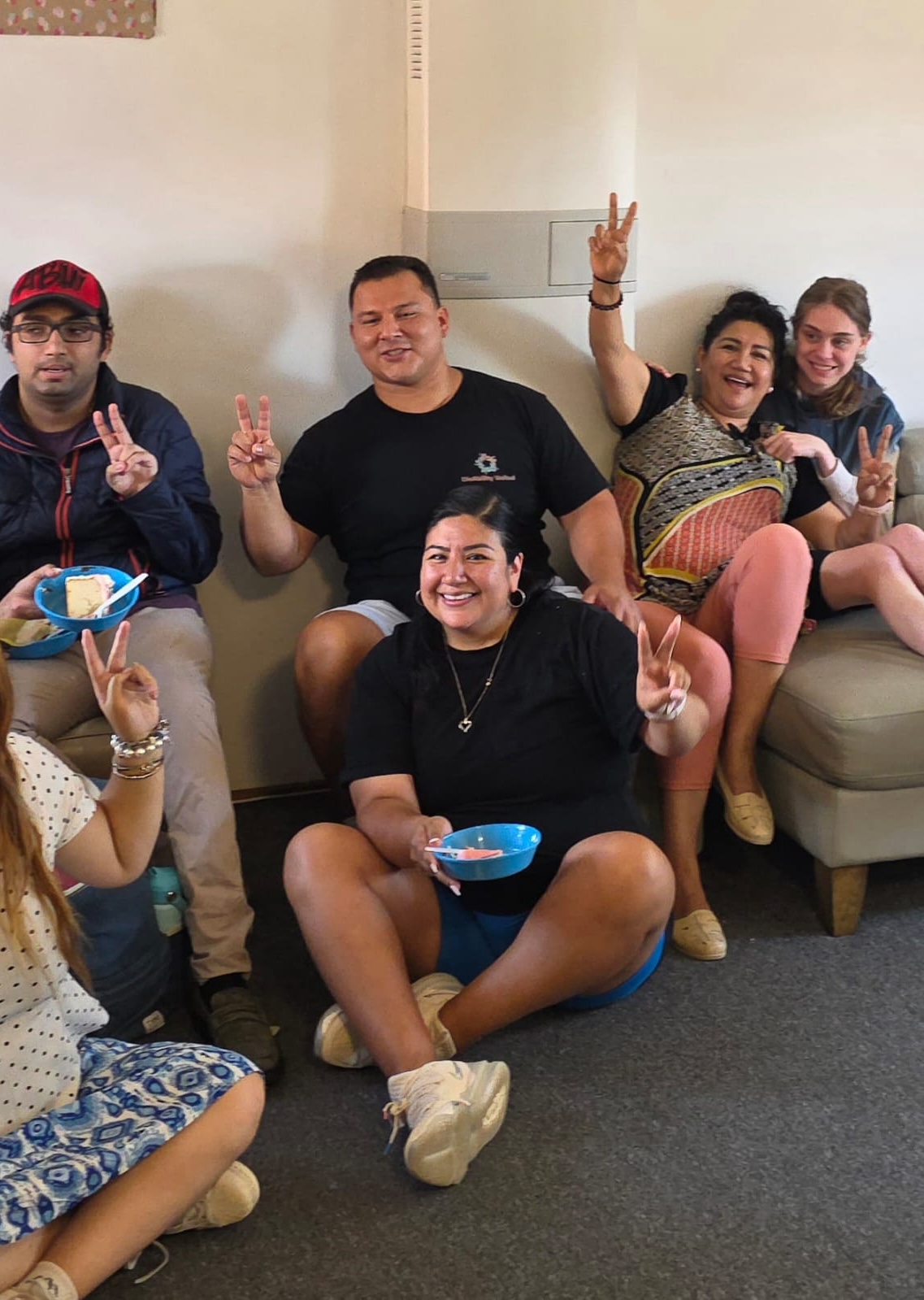
Navigating the array of disability day programs available in your area can be a daunting task, but it is an essential step toward ensuring that individuals receive the care and support they need. These programs offer a structured environment where participants can engage in social, educational, and recreational activities tailored to their individual needs and abilities. By understanding the different types of programs available, families and caregivers can make informed decisions that enhance the quality of life for individuals with disabilities. This comprehensive guide delves into the key aspects to consider when exploring disability day programs, providing valuable insights to aid in the selection process.
Understanding Disability Day Programs
Disability day programs are designed to provide support and opportunities for individuals with various disabilities. These programs can vary significantly in terms of their offerings, but generally, they aim to:
- Enhance social skills through group activities and interactions.
- Promote independence by teaching daily living skills.
- Offer therapeutic and educational activities tailored to individual needs.
- Provide respite for caregivers during the day.
For more detailed information on how these programs operate, discover expert strategies here.
Types of Disability Day Programs
Social and Recreational Programs
These programs focus on enriching the social lives of participants through various leisure activities, which may include arts and crafts, music, sports, and community outings. They are ideal for individuals looking to build friendships and enjoy a fulfilling social experience.
Educational and Skill Development Programs
Aimed at fostering personal growth, these programs offer educational courses and skill-building opportunities. They focus on areas such as literacy, numeracy, computer skills, and vocational training. Explore advanced guides and tips to learn more about these developmental opportunities.
Therapeutic Programs
These programs provide specialized support such as physical therapy, speech therapy, and occupational therapy. They are designed to meet the specific therapeutic needs of individuals, helping them improve their functional abilities and overall well-being.
To understand how these therapeutic interventions can be tailored to individual needs, find out more about this approach.
Choosing the Right Program
Selecting the right disability day program involves several considerations to ensure it aligns with an individual’s needs and goals:
- Assessment of Needs: Evaluate the specific needs of the individual, including their interests and abilities.
- Program Offerings: Examine the activities and services provided by the program to ensure they match the individual’s aspirations.
- Staff Qualifications: Consider the expertise and training of the program staff to ensure a high standard of care and support.
- Environment: Visit the program location to assess the facilities and ensure they are safe and accessible.
For guidance on evaluating these factors effectively, learn about our tailored solutions.
Conclusion
Exploring disability day programs requires a thoughtful approach to ensure that individuals receive the best possible care and support. By understanding the variety of programs available and considering the unique needs and preferences of the individual, families and caregivers can make informed decisions that positively impact the quality of life for those with disabilities. Continually seeking out resources and expert advice can further enhance this decision-making process and lead to optimal outcomes.