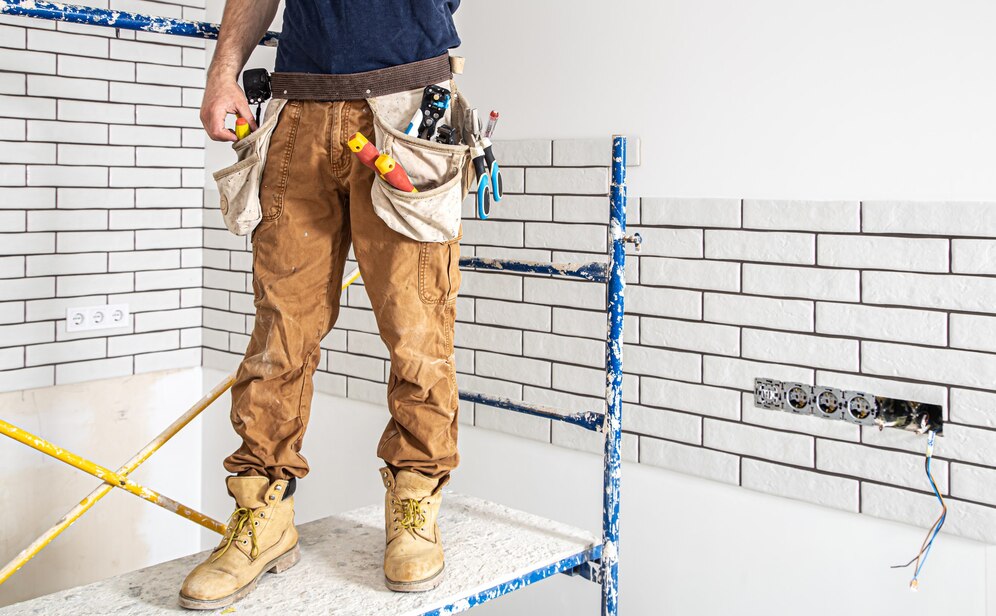
Constructing a basement using concrete blocks is a time-honored technique that combines durability with cost-effectiveness. As the foundation of a home, a well-built basement ensures structural integrity and enhances property value. The process involves meticulous planning and execution, with each step critical to the overall success of the project. This article delves into efficient techniques for constructing a concrete block basement, offering insights drawn from industry expertise. Whether building a new home or renovating an existing structure, understanding these techniques can significantly impact the quality and longevity of the basement.
Initial Planning and Design
The foundation of any successful construction project lies in thorough planning and design. Before embarking on the construction of a concrete block basement, consider the following:
- Site Analysis: Evaluate soil conditions, water table levels, and any potential environmental challenges.
- Blueprint Development: Collaborate with architects and engineers to create detailed blueprints that accommodate specific needs.
- Permits and Regulations: Adhere to local building codes and obtain necessary permits to avoid legal complications.
For more comprehensive guidance on initial planning, learn about our tailored solutions.
Construction Techniques
Excavation and Footing
Proper excavation and footing lay the groundwork for a stable basement. Key considerations include:
- Excavation Depth: Ensure the excavation depth matches the blueprint specifications to prevent future structural issues.
- Footing Width and Thickness: Calculate the appropriate footing dimensions based on load-bearing requirements.
- Reinforcement: Use steel rebar to reinforce footings, enhancing strength and durability.
Discover expert strategies here to optimize footing construction.
Concrete Block Installation
The installation of concrete blocks is a critical phase that demands precision and expertise:
- Alignment and Leveling: Use laser levels and string lines to ensure blocks are perfectly aligned and level.
- Mortar Application: Apply a consistent mortar mix to bond blocks securely, preventing gaps and weak points.
- Reinforcement: Integrate vertical and horizontal rebar grids within block walls to enhance stability.
Explore advanced guides and tips for effective block installation.
Waterproofing and Insulation
Ensuring the basement remains dry and insulated is vital for longevity and comfort:
- Waterproofing Membranes: Apply exterior waterproofing membranes to prevent moisture infiltration.
- Drainage Systems: Install perimeter drains and sump pumps to manage water effectively.
- Insulation: Use high-quality insulation materials to regulate temperature and reduce energy costs.
Find out more about this approach by visiting this link.
Conclusion
Efficient concrete block basement construction requires a blend of strategic planning, skilled execution, and attention to detail. By adhering to these techniques, builders can create basements that stand the test of time, offering homeowners a reliable and valuable space. Whether for storage, living, or recreation, a well-constructed basement enhances the overall functionality and appeal of a home. For further insights into optimizing basement construction, explore our resources.